Architecture & Interiors
The $20K House That Outgrew Its Own Price Tag
Rural Studio tried to build a dignified $20,000 home, then discovered why the cheapest house is not always the cheapest one to build, run or own.
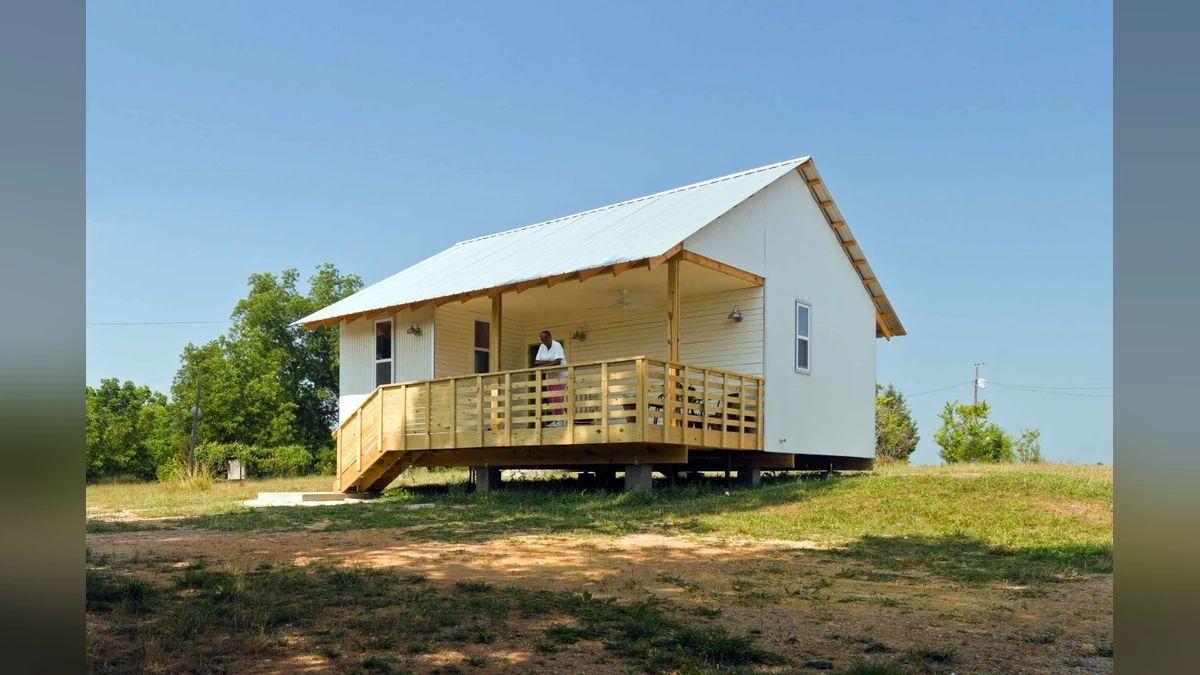
The headline was brilliant. Reality had invoices.
Rural Studio started the 20K House project with a beautifully simple target: design a proper home a contractor could build for US$20,000—about $12,000 in materials and $8,000 for labour and profit.
It was not meant to be a tiny-home stunt or a plywood box with a motivational quote nailed to it. The goal was dignified, attractive housing that someone living on a very low income could realistically finance.
Then the project ran into the boring things that ruin excellent headlines: utility connections, permits, regional labour rates, maintenance and wildly different local conditions.
Rural Studio explains the full project honestly here, including the awkward bit: the original $20,000 target became untenable.
They kept the name and fixed the question
Instead of pretending the number still worked, the team changed what it was measuring. The research shifted from “How cheaply can we build this?” to “What is the total cost of owning this?”
That includes energy use, repairs, resilience, ageing in place and whether the home helps its owner build equity. More than 20 prototype houses have been developed, with four moving into a product-line program tested through partner organisations.
This is a useful design lesson well beyond housing. Cheap materials can create expensive assembly. Cheap hardware can create constant warranty work. A bargain product can punish the customer every month after purchase.
Cost the life, not just the object
If you sell products, make a second costing sheet beside the normal one. The first shows what it costs you to make. The second shows what it costs the customer to own: replacement parts, cleaning, batteries, mounting, updates, storage and the likelihood of buying the whole thing twice.
Rural Studio’s project is compelling because it did not protect the catchy number. It protected the point of the work.
Try this first: Pick one product you sell and add three hidden ownership costs to its design brief. Remove one before making the next version.