
Videography
The Space-Colony Music Video That Threw Out Its First Cut
WHITEPILL looks like an impossible location shoot. Its production record shows a more useful lesson for videographers: build the edit around musical bars before paying for final shots.

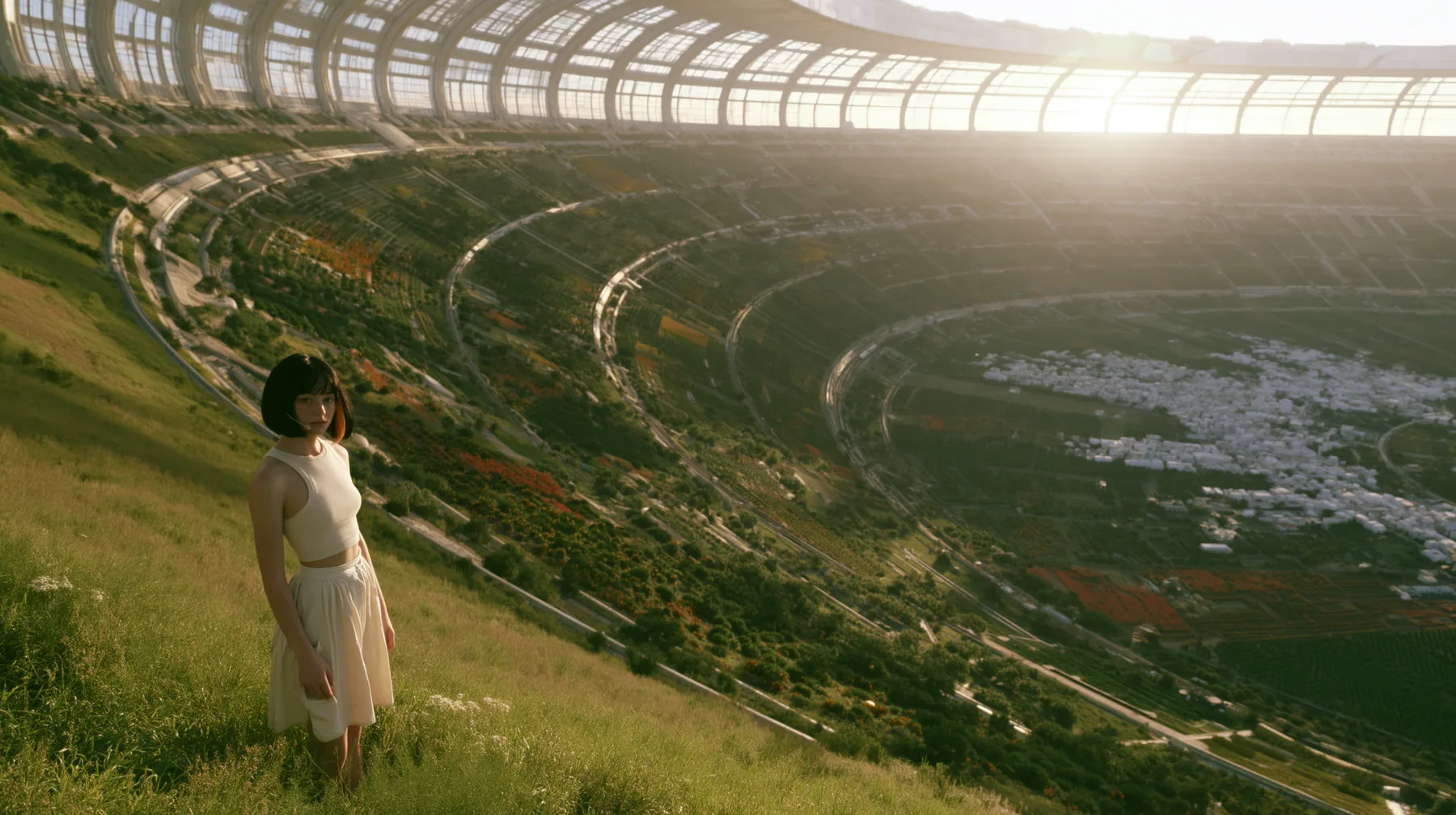
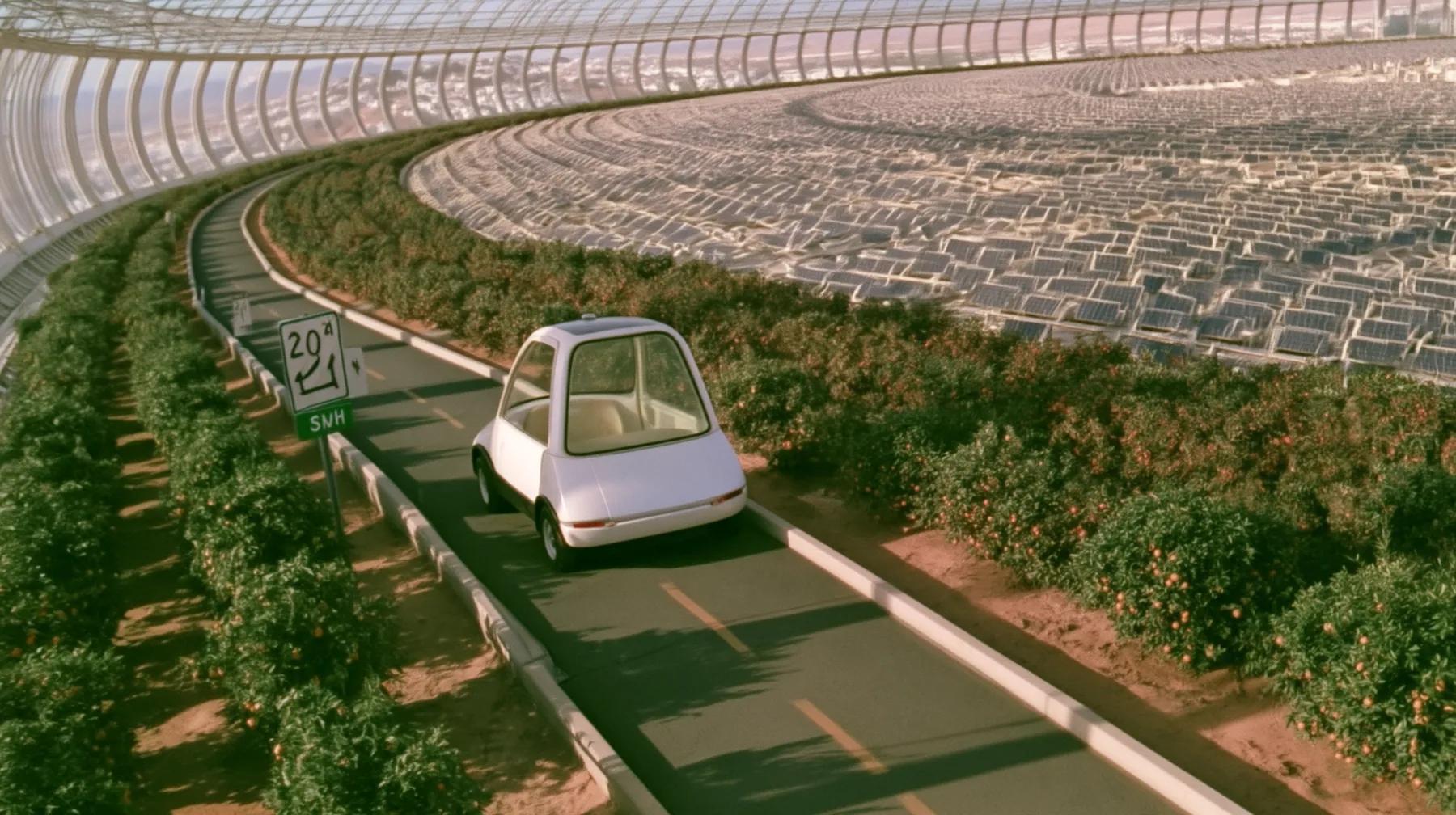
A singer walks through wheat inside a space colony. The land curves overhead, a little white car moves through an orchard, and strange glass objects appear between sung lines. That is WHITEPILL, a 3-minute-55-second music video directed by anabology for the fictional character Claudia. The production record is more interesting than the effect: the team threw out a complete first cut and rebuilt the timing around the song.
The lesson is practical: draw the cut in musical bars first. Decide what each picture does on a beat, make a rough version, then spend money on the shots that deserve to survive. This works with phone footage too.
| Quick facts | |
|---|---|
| Film | WHITEPILL, the seventh Claudia music film |
| Released | 22 October 2026, following production from 18–22 October |
| Runtime and edit | 3:54.8; 27 final segments cut on bar lines |
| Creator | Directed by anabology; Claudia is a synthetic singer, not a photographed performer |
| Final moving picture | Seedance 2.5; the record separates its final shots from discarded Wan and tested Kling material |
| Reported generation cost | US$588.59 at list API prices, excluding other costs and human time |
| My involvement | I inspected the official film gallery, clean source images and production record; I did not run its toolchain. |
A space colony built to a song
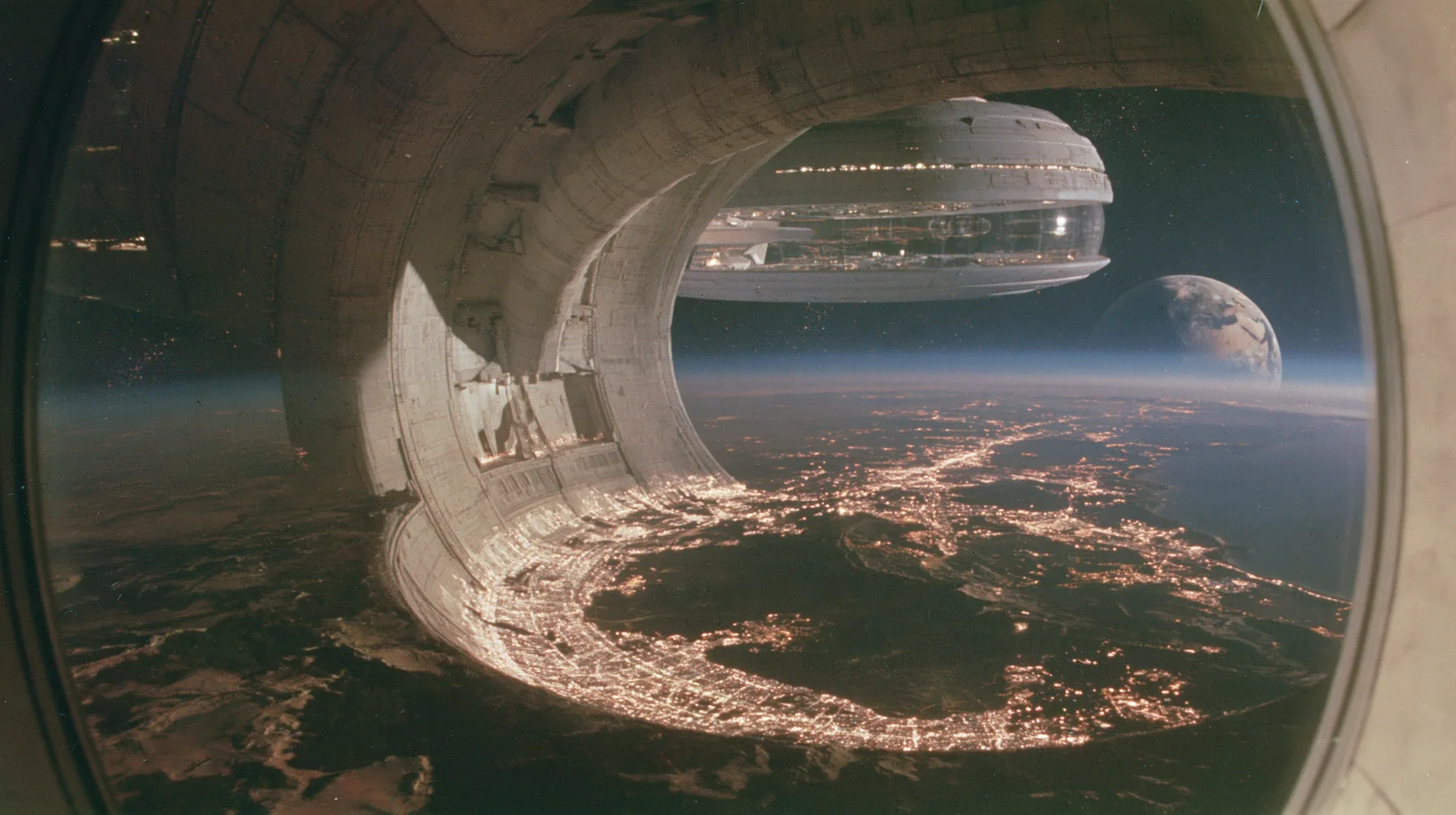
The official film page places Claudia in a cylindrical colony of wheat, poppies, orchards, trams and views of Earth. Between her appearances, rule-based images become objects: a paper fold, a pill containing a world, a glass shape, a glowing tree. The song's optimistic AI future is the artwork's subject, not an economic forecast.
The useful bit is how the world stays recognisable. One performer, a restricted wardrobe, repeated colours and recurring shapes give the viewer a map. When the camera leaves the wheat for space, it still feels like the same film.
The first completed version wasn't the answer
Anabology chose the song, directed the look and approved the mix. Claude Code helped plan, prompt, render and review. Midjourney and GPT Image supplied references; MiniMax H3 supplied performance guides. Wan 3.0 Prime made an earlier film pass. Kling 4.0 was tested. The final picture is credited to Seedance 2.5. A tool in the experiment does not necessarily appear in the finished frame.
Why reset? Orbiting camera moves and picture changes outside the musical structure gave the first cut a mechanical rhythm. The team kept the setting and performer but rebuilt the sequence into 27 segments, each cut on a bar line. Across nearly four minutes, that changes how the film breathes.
The maker's ledger spans about 82 hours from first message to approval. That is a production interval, not one person's desk time. Its US$588.59 tally covers API generation at list prices, not subscriptions, wages or a complete budget. Budgeting a similar project? Do not treat that tally as the total cost.
The singing problem needed a specific fix
Getting a character to appear on model is one problem; getting her mouth to follow the actual song is another. The creator's record says the successful approach supplied Seedance with Suno's isolated lead-vocal stem, trimmed to the exact length of the shot, alongside the words expected in that window. The full mix was laid over the result afterwards. That is much more precise than asking a video model to make somebody “sing the chorus.”
The geometry pieces began as timed GLSL shaders. They supplied motion and shapes; images supplied the look; Seedance re-rendered them as objects in the film's world. You need not copy the stack. It separates three questions: What moves? When? What does it look like? If a shot fails, find the weak answer.
The director tried lyrics as physical glass objects in scenes, but the words could land in strange places. In the final film, small lyric text was drawn on afterwards. That is the sensible call. Legible text is an editing and graphic-design job; a video model should not be asked to keep every letter perfect while also moving a camera through a world.
Try the bar-map idea without the giant budget
Take a song you own or are licensed to use. Mark its first strong beat and count eight bars. Put one real shot or still on each bar: an establishing view, a person or object, a detail, a movement, a reaction, a repeat, a change and a final view. Use paper first if that is faster. Then lay those eight pictures on an editor's timeline and cut only at the bar starts. Do the cuts feel satisfying, or are you holding one picture too long? Move the cut before you buy or generate anything.
Once the rough sequence works, give it one recurring shape. It could be a circle in a window, a round plate, the face of a clock, a wheel or a flower. Match that shape across two shots. You will have given the edit a visual connection without needing a spaceship. If a vocal performance is central, make a short lip-sync test on one line before planning the entire song around it.
The catch is that a bar map can become too rigid. A held note, an off-beat gesture or a pause may deserve a cut somewhere else. Use the grid as a starting structure, then watch the actual result and break it when the story improves. That is exactly why the discarded first film is useful evidence: process should support your judgement, not overrule it.
The creator's use page explicitly lets others use images from the Claudia gallery, while distinguishing third-party material referenced in some films. The clean images here come from the WHITEPILL source gallery, without added headline text. Credit the source and do not present the fictional colony as documentary footage. My call: watch the finished video, then read the account of the reset. The impressive part is not that a cylinder was generated. It is that a filmmaker heard the edit was wrong and started again.
One last practical point: a bar map is also a good way to stop a small project becoming a very expensive collection of options. Write down the shot's job before you make it: introduce the person, change the place, land a lyric, or create a breath. If the answer is only “it looks cool,” park it. You can always bring it back once the sequence is working. That is not killing creativity; it is giving the good shots a chance to matter.
Sources
Share this article
Know someone who would enjoy this? Pass it along.