Film effects
Blade Runner 2049 built its future with real miniature buildings
This is the good stuff: huge sci-fi scenes built with real models, practical lights and ordinary workshop thinking. The clever part is how deliberately they were designed for the camera.
This is why it got me
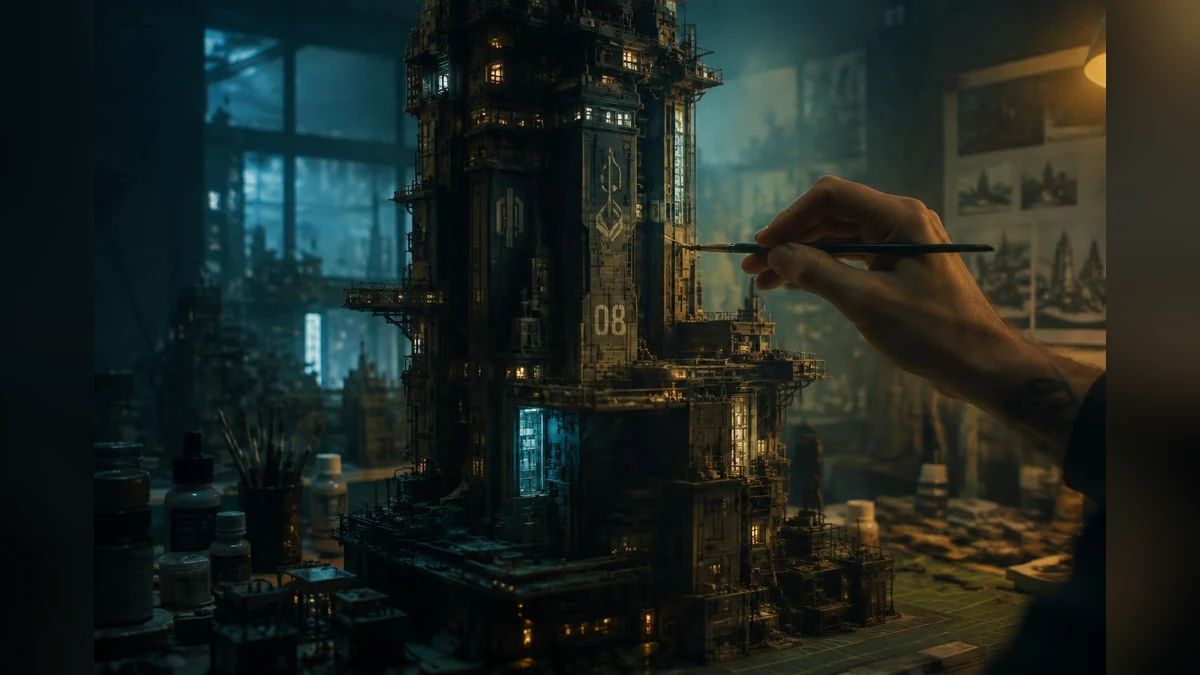
This is the sort of behind-the-scenes stuff I actually care about. Blade Runner 2049 looks like some huge digital future city, but a big part of it was built as real miniature sets on a workshop floor.
Weta Workshop made three miniature environments: Los Angeles with the L.A.P.D. tower, Trash Mesa, and the Wallace Towers. Roughly 38 structures. One building was 4.5 metres tall. That is not a little hobby model sitting on a desk. That is a serious build.
The clever bit
What I like is how practical the thinking was. They did not just decorate everything and hope the camera liked it. The camera move was planned first, then detail went where it would actually be seen.
That is useful for makers too. If you are making a product photo, display piece, model, sign or website hero, the final view matters. Spend the time where the viewer looks. Leave the hidden underside alone unless it actually does something.
Steal this idea
The little details were not all fancy materials either. They used laser cutting, LEDs, fibre optics, foam board, tape and found objects. At the right scale, a drill-bit holder can become rooftop machinery. That is brilliant.
My take: this is not about practical effects beating CGI. Boring argument. It is about using the right tool for the result. Build the thing that gives you real light, texture and depth, then use digital work where it makes sense. That is the lesson worth taking.
Useful resource
See the real Blade Runner miniatures ↗
ACMI’s maker interview includes the real miniatures, materials and lighting process.
Open resource